
Conservationists often focus on stopping harmful human activities to save wildlife. But a new paper asks a tough question: Is that enough to stop birds from going extinct? After analysing nearly 10,000 bird species, the authors found that even the best efforts to remove threats won’t save them all.
The Extinction Forecast
If we continue with business as usual, we can expect:
- Over 500 bird species to go extinct in the next 100 years.
- A 3.2% loss in birds’ “functional diversity”—meaning the range of ecological roles they play, like pollinators, predators, and seed dispersers.
That’s more bird species lost in one century than we’ve seen since the year 1500.
Big Action Helps, But It’s Not a Silver Bullet
What if we eliminated every major threat, such as habitat loss, hunting, and pollution, from bird habitats?
- Even then, half the predicted extinctions would still happen.
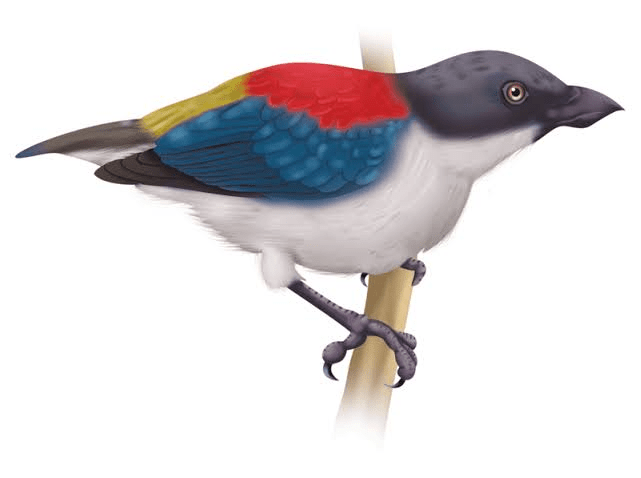
- These include birds already hanging by a thread, like the Cebu flowerpecker, which needs more than just protection: It needs help to survive.
What Works Best?
Different threats impact birds differently:
- Stopping habitat loss saves the most species overall.
- But if your goal is to protect bird diversity, then addressing hunting and accidental deaths (like window strikes or fishing bycatch) is the most effective.
A Smarter Way to Save More
What if we focused on the rarest, most unique birds, that fill special ecological roles?
- Protecting just 100 of these “standout” species could avoid two-thirds of the projected diversity loss.
- We must save vital bird species — hornbills, albatrosses, serpent-eagles, and other ecological specialists.
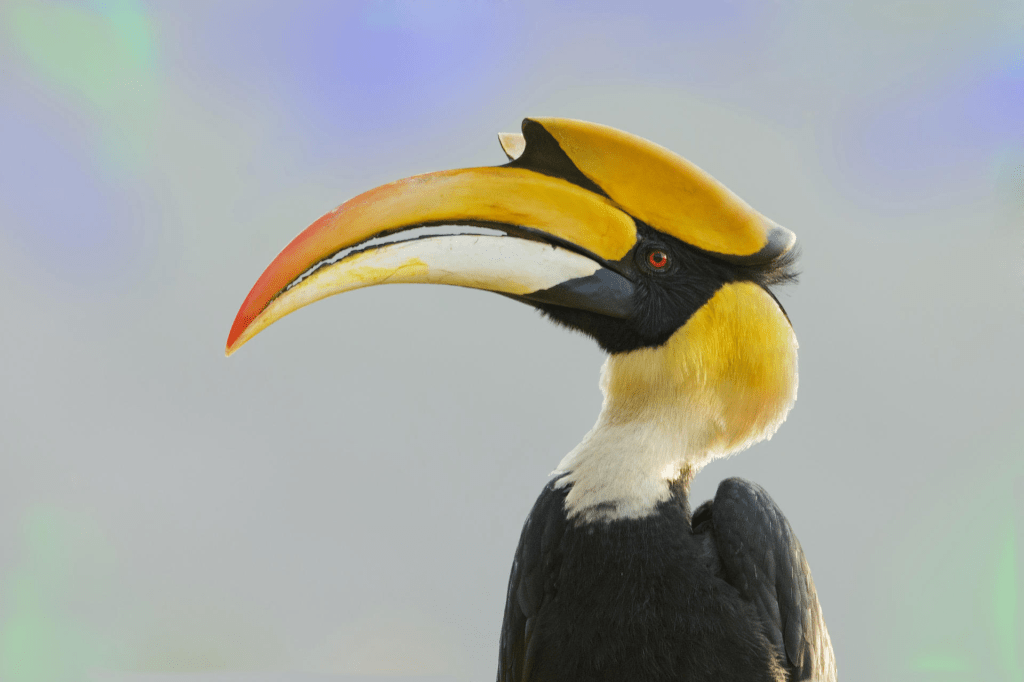
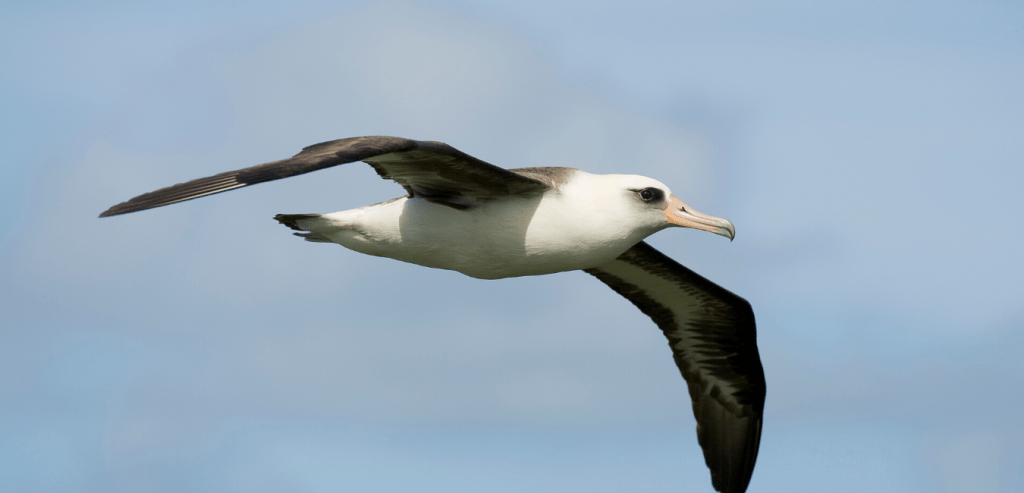
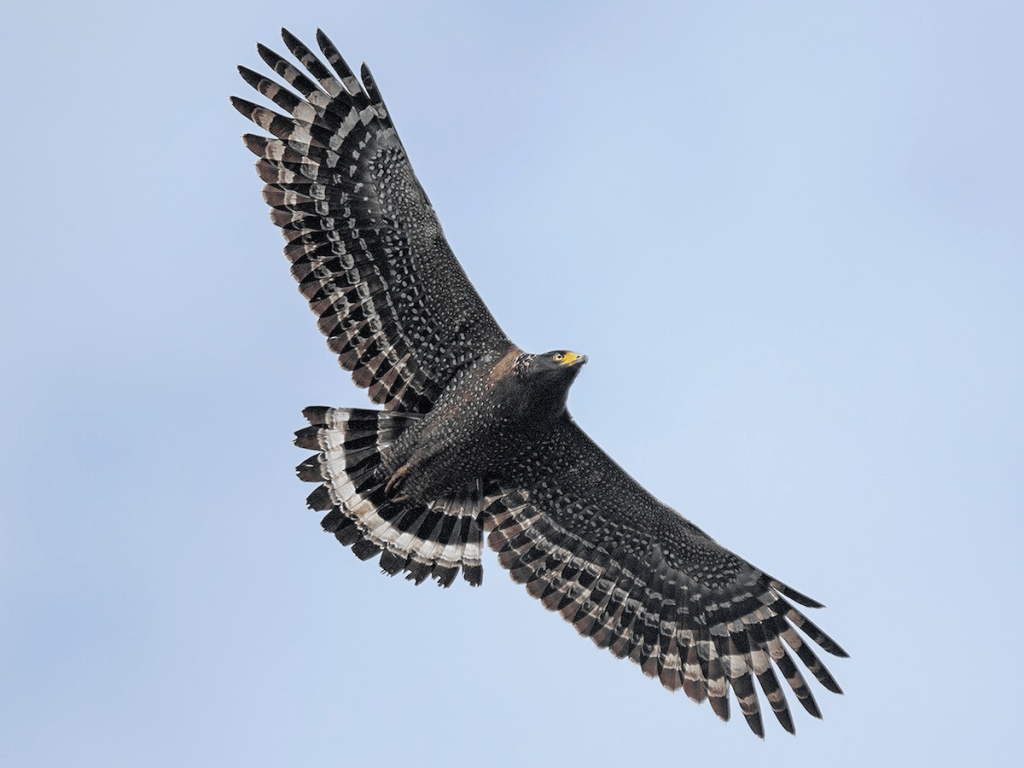
This may be achievable. Conservation efforts since 1993 have already saved 21–32 bird species from extinction.
The Bottom Line
Protecting habitats and reducing threats is essential, but not enough on its own. We need to pair broad protections with targeted recovery plans for birds most at risk, especially those that play unique ecological roles.
If we don’t act boldly and smartly, we risk losing a huge chunk of the bird world — along with the vital services they provide to ecosystems and people alike.
Source
Threat reduction must be coupled with targeted recovery programmes to conserve global bird diversity, Nature Ecology & Evolution, 2025-06-24
 Boˆreal
Our problem out here in the countryside is twofold: rifles and the need for people to kill every damn insect in their lawn (the truck comes by once a week and sprays every lawn out there), then they wonder where all the birds are, all the deer, all the wildlife. We live far enough away from the main road to avoid the ChemLawn truck, but still we are losing our birds too. My bird list when we moved here 50+ years ago was phenomenal, my bird list this summer doesn’t even include bluebirds. What affects the folks on the road down below us eventually affects us up here. And the general skinny is, the only good hawk is a dead hawk. No one stops to consider that one of those hawks might well be a Bald Eagle. Or that hawks eat the mice and small rodents that eat your garden produce.
City people.
LikeLike