
As the world grapples with the urgent need to address climate change, the spotlight is increasingly turning to renewable energy sources. A new study from researchers at Griffith University in Australia has unveiled promising findings that highlight the potential of offshore wind energy in producing cost-competitive hydrogen. This breakthrough could play a pivotal role in the global transition to a low-carbon economy.
Harnessing Offshore Wind for Hydrogen Production
The study focuses on the techno-economic analysis of dynamic hydrogen production using offshore wind energy. Offshore wind (OSW) is recognised for its vast potential and low environmental impact, yet it remains less developed compared to other renewable energy sources due to high installation and operational costs. This research aims to overcome these challenges by providing a comprehensive model that incorporates real-world factors, dynamic electrolysis efficiency, and robust economic projections.
Key Findings and Their Implications
- Economies of Scale and Learning-by-Doing: The study incorporates the benefits of economies of scale and learning-by-doing, which are critical in real-world projects. As offshore wind and electrolyser technology scale up, costs are expected to decrease, making hydrogen production more economically viable.
- Dynamic Electrolysis Efficiency: Unlike traditional models that assume constant electrolyser efficiency, this research integrates dynamic efficiency based on varying input power. This approach provides a more accurate estimation of hydrogen production costs, ensuring that efficiency variations are realistically captured.
- Cost-Competitive Hydrogen Production: By applying the model to Australian offshore wind locations, the researchers demonstrate that rapid scaling up of offshore wind can achieve a levelised cost of hydrogen (LCOH) below US$2/kg by 2040 under a “fast progress” scenario. This finding is significant as it aligns with global targets to produce green hydrogen at competitive prices.
- Incorporating Realistic Offshore Wind Cost Modelling: The economic model includes all major cost components such as development, equipment, installation, and connection. It also considers losses due to air density and wake effect, ensuring that the estimated wind energy output is not overly optimistic.
Why This Matters
Hydrogen is key for decarbonisation, particularly for industries that are hard to electrify. But the high cost of renewable hydrogen compared to hydrogen produced from fossil fuels has been a major barrier.
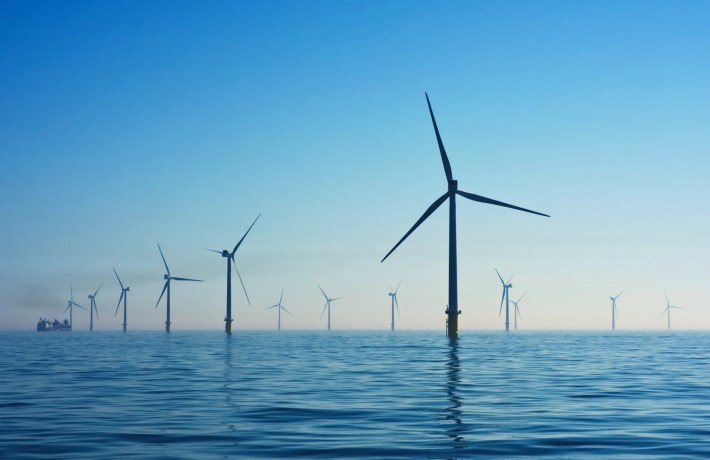
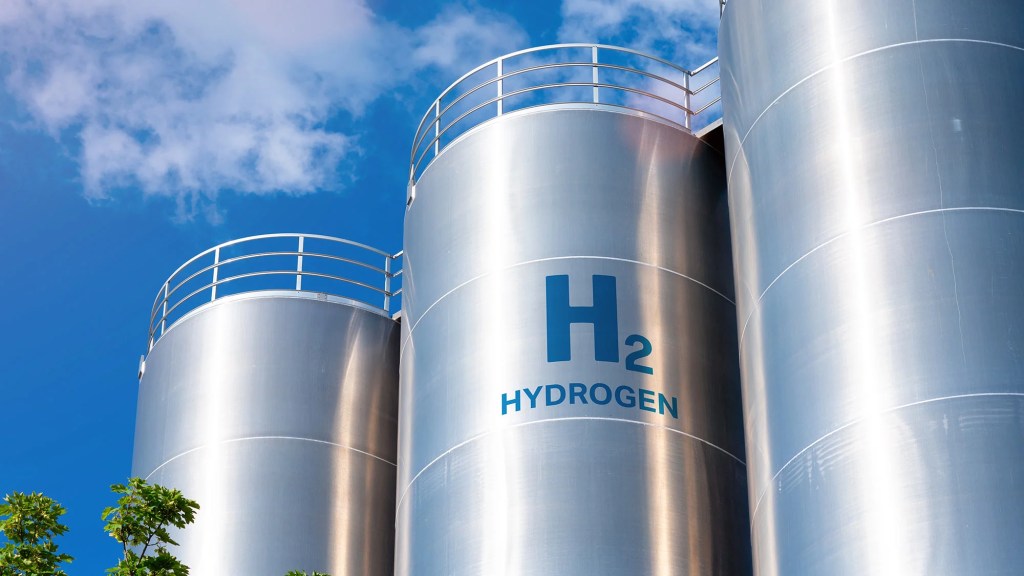
This study’s findings suggest that with the right investments and technological advancements, offshore wind can provide a viable path to affordable, green hydrogen.
Strong Support for the Future for Renewable Energy
The implications of this research are profound. It not only provides a roadmap for leveraging offshore wind for hydrogen production but also highlights the potential for significant cost reductions through technological learning and economies of scale. As countries around the world set ambitious targets for reducing carbon emissions, the insights from this study could help drive policy and investment decisions that accelerate the adoption of renewable hydrogen.
By addressing both technical and economic challenges, this research paves the way for a more sustainable and economically feasible energy future. As we move towards a net-zero carbon world, innovations like these will be crucial in ensuring that renewable energy can meet the growing global demand.
Source
Techno-economics of offshore wind-based dynamic hydrogen production, Applied Energy, 2024-11-15
 Boˆreal
[…] September 4, 2024August 7, 2024 lucreciabernues Harnessing Offshore Wind Energy for Cost-Competitive Hydrogen Production […]
LikeLike