
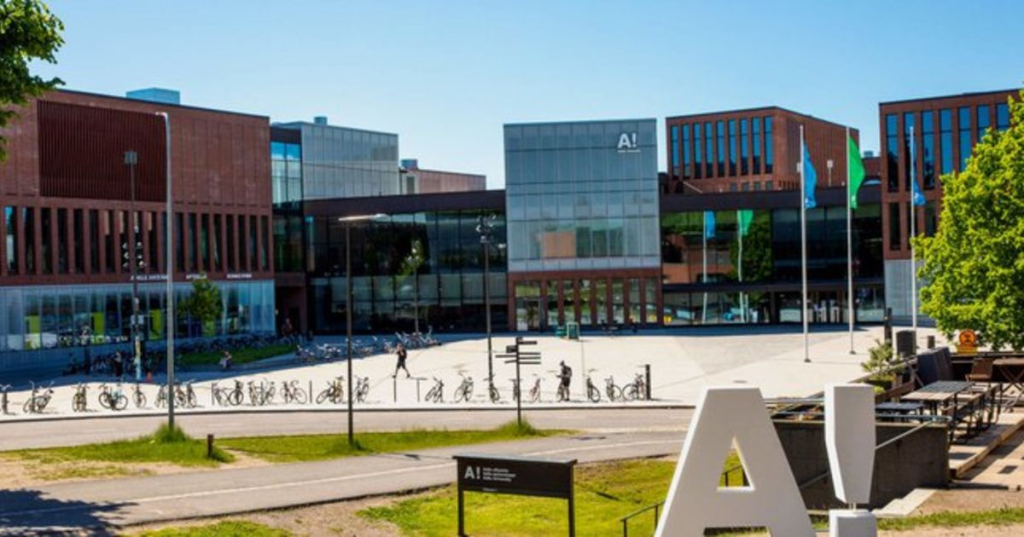
Researchers from Aalto University [60.14°N, 14.26°E] have made a significant breakthrough in solar energy technology by developing bio-inspired surface structures that enhance the performance and durability of perovskite solar cells.
Drawing inspiration from nature, the team has created cellulose-based films that not only improve light transmittance but also possess superhydrophobic properties, enabling them to self-clean. This innovation addresses two major challenges in solar cell efficiency: light management and surface cleanliness.
Nature’s Design: A Model for Efficiency
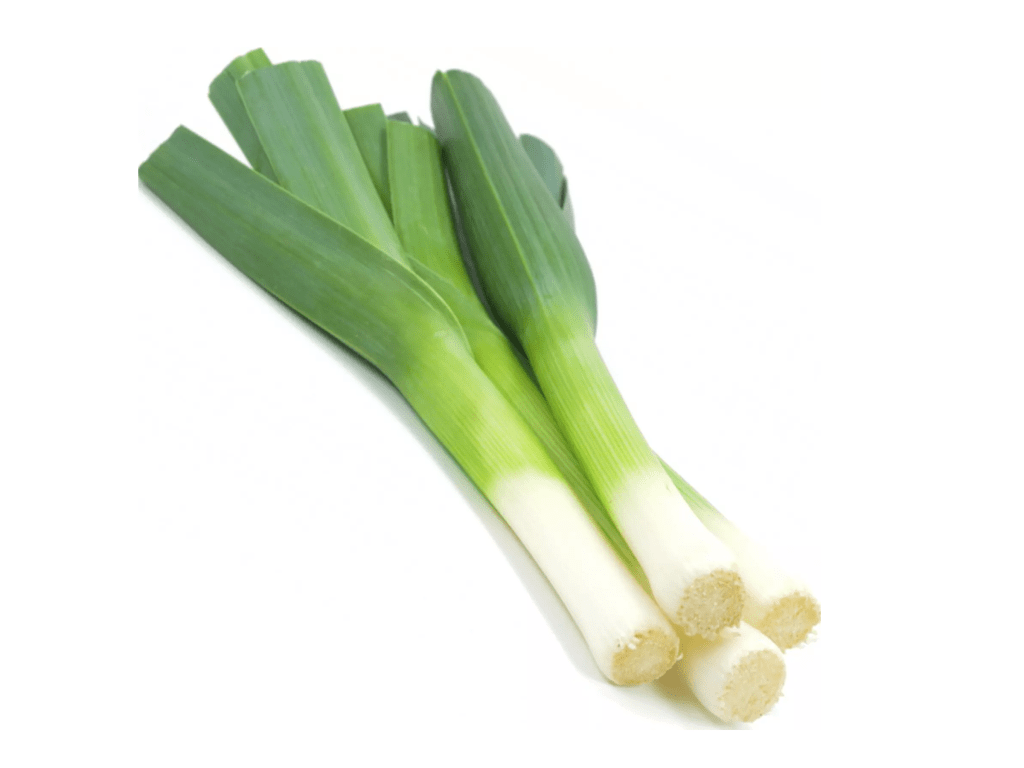
The new films mimic the hierarchical surface structures found on leek leaves. By replicating these natural designs onto cellulose acetate, the researchers achieved a transmittance rate of approximately 94% and a haze of around 54% at a wavelength of 550 nm. Additionally, the films exhibit impressive anisotropic advancing contact angles of up to 160° and 156° in cross directions, thanks to a tailored carnauba wax coating. This combination of high transparency and water repellency is crucial for maintaining maximum incident light on solar cells, as it prevents dirt and dust accumulation.
Boosting Solar Cell Performance
When applied as a light management layer on perovskite solar cells, these innovative films increased power conversion efficiency by 6 ± 0.3%. This improvement is significant in the field of photovoltaics, where even small enhancements can lead to substantial energy gains. The bio-inspired films ensure that more light reaches the solar cells by scattering it more effectively and keeping the surface clean.
Sustainable and Versatile
One of the key advantages of these cellulose-based films is their environmental friendliness. Unlike traditional materials that often rely on fluorinated compounds, which are costly and non-biodegradable, these films use natural components like carnauba wax. This not only reduces the environmental impact but also lowers production costs. Moreover, the method developed by the Aalto team can potentially be used to replicate the surface structures of various natural leaves, making it versatile and adaptable for different applications in optoelectronics.
Looking Ahead
The development of these bio-inspired films marks a significant step towards more sustainable and efficient solar energy solutions. By harnessing the principles found in nature, the researchers have created a product that enhances solar cell performance while being environmentally friendly. As the technology advances, it holds promise for widespread application in various photovoltaic technologies, paving the way for a cleaner and more sustainable energy future.
Now read
Sustainable Bamboo-Polylactic acid Composites: A New Era of Green Electronics
Source
Bio-inspired surface structures promote optical transmittance and hydrophobicity in cellulose-based films for self-cleaning perovskite solar cells, Nature, 2024-05-30
 Boˆreal
[…] August 2, 2024July 30, 2024 lucreciabernues Nature-Inspired Surface Structures for Self-Cleaning Perovskite Solar Cells […]
LikeLike