
Hydroelectric power, often referred to as HEP, is a method of generating electricity using the energy of moving water. It’s a renewable and sustainable source of power that relies on the natural water cycle.
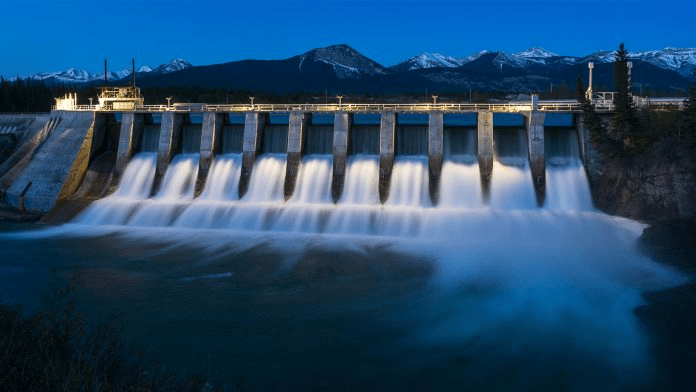
Here’s how it works:
- Dam or Reservoir: A large dam is constructed across a river or a reservoir is created to store water. The dam is usually built in a location where there is a significant drop in elevation.
- Turbines and Water Flow: When the dam is in place, water is stored behind it, creating a reservoir. When the dam gates are opened, gravity causes the water to flow down from the higher elevation to the lower elevation. This flowing water has a lot of energy.
- Turbine Rotation: As the water flows downhill, it passes through large pipes called penstocks and strikes the blades of a turbine. The force of the water causes the turbine to rotate.
- Generator: Connected to the turbine is a generator, which is essentially a big electromagnet. As the turbine spins, it rotates the generator’s magnet, creating a flow of electrons and generating electricity.
- Transmission: The electricity produced by the generator is sent through power lines to homes, businesses, and industries for various uses.
One of the advantages of hydroelectric power is that it produces clean energy without burning fossil fuels, reducing greenhouse gas emissions and air pollution. Additionally, it is a renewable energy source because water is continuously replenished through rainfall and natural processes.
However, building dams for hydroelectric power can have environmental impacts such as altering river ecosystems and displacing local communities. So, it’s important to consider both the benefits and potential drawbacks when utilising hydroelectric power.
Now Read
What are the different considerations for Pico-, Micro- and Large Scale Hydropower?
How does solar PV work?
 Boˆreal