
Green hydrogen has huge potential to transmit and store sustainable energy, but producing it cleanly and efficiently remains a challenge. A recent study explores an unexpected partner in this effort: silicon. By activating silicon, researchers have shown a way to generate hydrogen while also recovering valuable anode materials, linking energy production with resource sustainability.
Why Silicon and Hydrogen Matter
Hydrogen can serve as a clean energy carrier, but most of today’s hydrogen is still made from fossil fuels. Alternative pathways are needed — ones that do not only lower emissions but also fit within a circular economy.
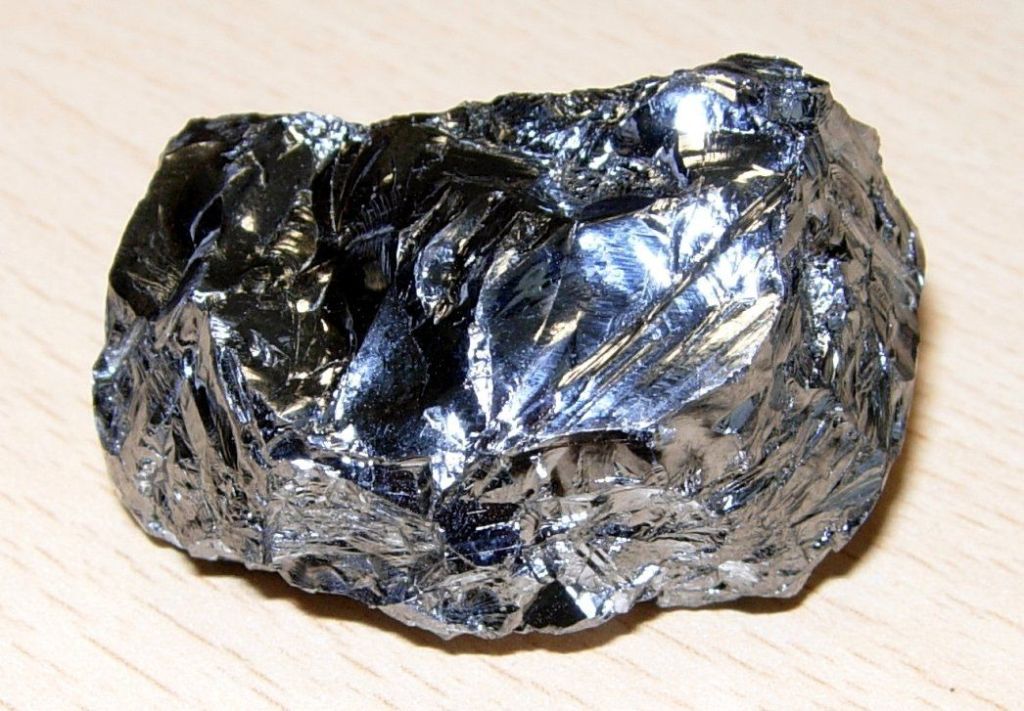
Silicon, one of the most abundant elements on Earth, is usually associated with electronics and solar cells. Yet in the right conditions, silicon can also react with water to produce hydrogen. If this process can be controlled and scaled, it could open a new route to sustainable hydrogen production.
The Research Contribution
The paper investigates how to activate silicon so that it reacts more effectively with water to release hydrogen. At the same time, it considers how this approach could enable the recovery of spent anode materials, turning waste into a useful resource.
Key areas of analysis include:
- How different activation methods affect silicon’s ability to generate hydrogen
- The efficiency of hydrogen release under controlled conditions
- Pathways for sustainable anode recovery alongside hydrogen generation
Key Findings
- Activated silicon can achieve high hydrogen conversion rates, making it a viable pathway for clean hydrogen generation.
- The process allows for sustainable recovery of anode materials, reducing waste and supporting circular resource use.
- Optimising activation techniques significantly improves both the rate and efficiency of hydrogen release.
- The dual benefits — energy generation and material recovery — make the approach attractive for scaling in sustainable energy systems.
Why This Matters for Sustainable Living
Hydrogen production is often criticised for being either fossil-fuel dependent or too energy-intensive. This research suggests a third pathway: using silicon to unlock hydrogen while also recycling critical materials.
For the Global North, where sustainability strategies must balance energy needs with resource efficiency, this approach offers a model of how technologies can be designed to serve multiple goals at once — cutting emissions, recovering materials, and supporting a circular economy.
The Bigger Picture
The energy transition will not depend on one single breakthrough. It will rely on creative combinations of technologies that solve more than one problem at a time. Activating silicon for hydrogen generation and anode recovery is an example of such thinking. It shows how reimagining the role of familiar materials can open unexpected doors to a more sustainable future.
Source
Activating silicon for high hydrogen conversion and sustainable anode recovery, Nature Communications volume 16, Article number: 7772 (2025)
 Boˆreal