
We know hydrogen is one of the cleanest fuels available — it emits only water when used, and it can store renewable energy for when the sun isn’t shining or the wind isn’t blowing. But producing hydrogen cleanly is another matter.
Electrolysis — using electricity to split water into hydrogen and oxygen — is the main method today. And unless that electricity comes from 100% green sources, the process isn’t as clean as it seems. That’s where sunlight and smart materials come in.
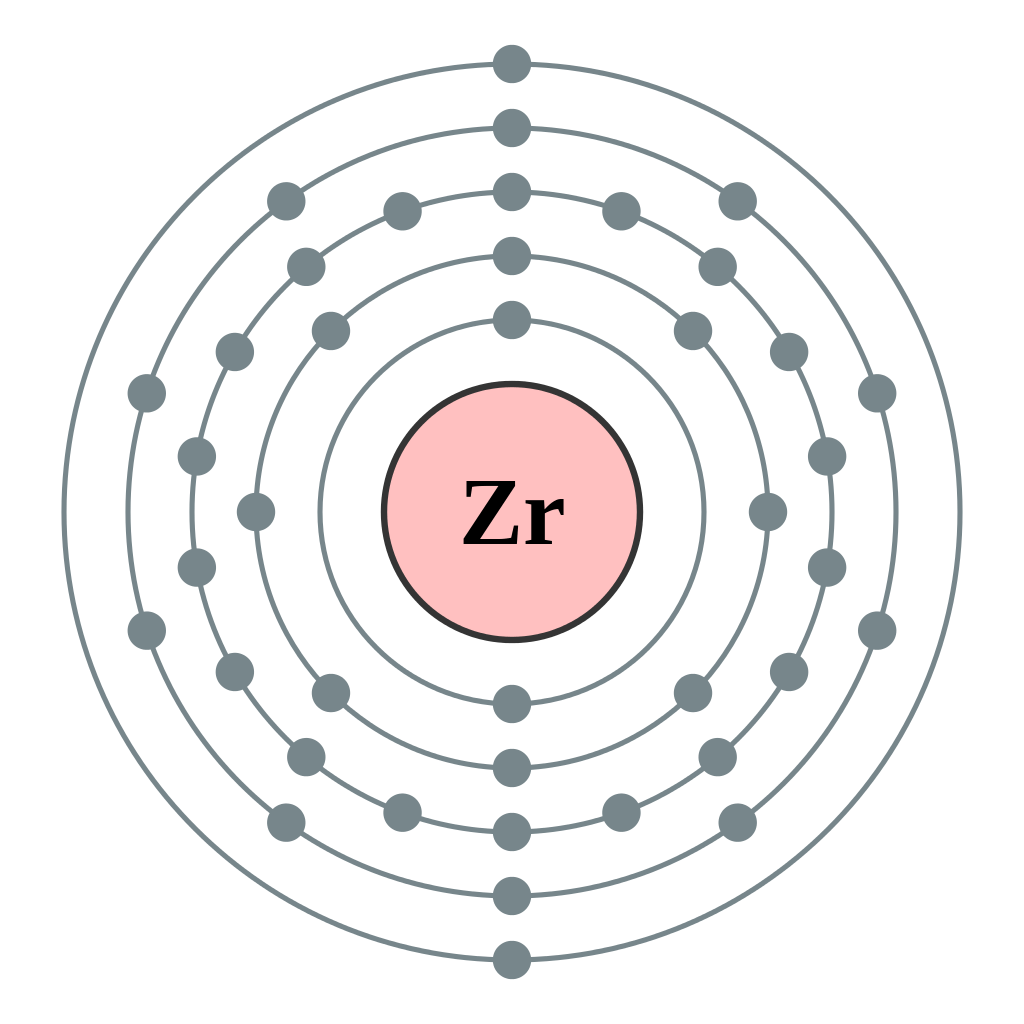
A team of researchers from Baoji University of Arts and Sciences [34.4°N, 108.1°E] and Nankai University, China [39.1°N, 117.2°E] has just published a detailed review of an exciting class of materials that could make it possible to produce clean hydrogen directly from sunlight and water. The star of the show? A material with a slightly daunting name but game-changing potential: zirconium-based metal–organic frameworks, or Zr-MOFs.
Let’s unpack that — and why it matters.
A Sponge Made of Atoms
Metal–organic frameworks (MOFs) are materials built like atomic-scale scaffolding. Picture a vast sponge, but made from metals (like zirconium) connected by tiny carbon-based linkers. These structures are highly porous — meaning they have a lot of surface area to work with — and can be tuned like a recipe: swap one atom here, add a functional group there, and the whole thing behaves differently.
That makes MOFs exciting for many uses, but especially for photocatalysis — using light to trigger chemical reactions. And in this case, the most prized reaction is the hydrogen evolution reaction, or HER: splitting water into hydrogen and oxygen.
Zr-MOFs are particularly good candidates for this because they are:
- Exceptionally stable, even under harsh light and acidic conditions
- Highly designable, with flexible frameworks that scientists can engineer
- Good at absorbing light (especially when combined with other clever tricks)
Hydrogen from Light: What’s New?
The review explores how scientists are improving Zr-MOFs for better hydrogen production using four main strategies — all of them both scientifically exciting and relevant to future clean energy systems:
1. Mixing Metals For New Reactions
By blending zirconium with other metals like cerium, titanium, or copper, researchers can dramatically improve performance. These metals help improve light absorption and speed up the reactions that release hydrogen.
For example, one such bimetallic material made four times more hydrogen than its single-metal version — simply by adding cerium. Another material using titanium and embedded platinum particles produced a very high rate of hydrogen under visible light. Even copper helped boost output by enhancing how light energy gets turned into free electrons.
2. Designing Chemical Connections
MOFs don’t just rely on metals. The organic linkers that hold the structure together — called ligands — can be adjusted to fine-tune performance.
One team found that placing tiny -NH₂ (amino) groups in just the right spot helped water molecules gather around the catalyst more effectively, boosting hydrogen production by over 100×. Others added -SH (thiol) groups that could grab hold of metal atoms like copper or cadmium, anchoring them in the perfect position to aid the reaction.
These ligands don’t just hold the framework together — they shape the entire chemical environment, making light-driven reactions more efficient.
3. Additives to Fill the Framework
Since MOFs are full of tiny pores, they can be “stuffed” with helpful molecules. Think of this like seasoning your cooking — except the “flavour” here is better electron movement.
- C60 (buckyballs) help build internal electric fields to pull charges apart
- Metal clusters, like tiny silver–gold hybrids, improve stability and keep electrons flowing
- Polyoxometalates, clusters made of metals and oxygen, add multi-electron redox abilities
One system produced 22.3 millimoles of hydrogen per gram of catalyst per hour — an extremely high figure for any solar-powered process.
4. Using Known Semiconductors
Lastly, Zr-MOFs can be combined with other known semiconductors like CdS (cadmium sulfide), C₃N₄, or ZnIn₂S₄. These materials already absorb light well but degrade over time or don’t perform as efficiently. Wrapping or combining them with Zr-MOFs protects them and improves performance, often by helping electrons flow more freely.
One hybrid material made over eight times more hydrogen than the standalone version — just by being better designed.
So What’s the Catch?
While the lab results are impressive, the authors note that scaling up is still a challenge. Many experiments use only a few milligrams of material. Costs are still high, and some versions use precious metals like platinum or ruthenium, which aren’t ideal for mass production.
Even so, the research is moving fast — and there’s a growing push to make cheaper, noble-metal-free versions, possibly by using smarter ligand designs or newer metal combinations.
There’s also hope that AI and machine learning will soon be able to help identify the best designs before they’re ever built in a lab.
Why Should Northern Europe and Canada Care?
Because these regions are pushing toward clean hydrogen strategies, and solar-powered photocatalysis could provide a more distributed, low-cost, and sustainable method of hydrogen production — especially in off-grid or decentralised energy systems.
Imagine community-scale solar ponds producing clean hydrogen during long daylight hours, without relying on industrial-scale electrolysers or fossil-derived hydrogen. The cold, wet climates of the North also mean materials like Zr-MOFs — known for their chemical toughness and durability — are better suited than fragile catalysts used in milder regions.
What Comes Next?
The next steps involve:
- Lowering costs and improving scalability
- Moving from lab to pilot scale
- Finding combinations that avoid precious metals
- Using AI to guide catalyst design more efficiently
While we’re not yet at the point of making hydrogen with sunlight in every village or coastal town, the tools to do so are rapidly advancing. Zr-MOFs might not be a household name yet — but if this research continues, they might soon be found inside the systems that help power a zero-carbon future.
Source
Recent advances in photocatalytic HER based on zirconium-containing MOFs over the past three years, Applied Catalysis O: Open, 2025-06-02
 Boˆreal