
You might cycle through the Dutch countryside and see canals glistening, cows grazing, windmills turning… and a sea of solar panels stretching before you. But instead of an industrial eyesore, you find wildflowers blooming between the arrays, birds nesting in specially designed boxes, and picnic benches inviting you to stay awhile. Because here, solar farms are being reimagined as ecological havens.
A groundbreaking study of 46 Dutch solar parks reveals a quiet revolution in renewable energy design. Researchers from Wageningen University [52.0°N, 5.7°E] discovered 43 clever tricks developers use to make solar plants less intrusive and more beneficial. Some are subtle — like coloring panel frames dark to help them “disappear” visually or leaving gaps between panels so rain nourishes the soil below. Others transform sites entirely: think orchards growing under elevated panels, grazing sheep maintaining vegetation, or wetlands created alongside arrays.
The Good, The Bad, and The Bittersweet
The findings are nuanced — a mix of promise and caution:
- The Green Illusion: While 54% of parks planted new shrubs and trees, researchers calculated a net loss of vegetation across all sites. Why? A few large projects cleared significant woodlands (up to 55% of their area!), overshadowing smaller planting efforts elsewhere.
- The Density Dilemma: Panel density doubled between 2015–2021, boosting clean energy output per acre. But cramming more panels leaves less space for biodiversity buffers or walking paths—critical for public acceptance.
- Landfill Lifelines: Solar parks on closed landfills (15% of cases) are win-wins… mostly. They repurpose contaminated land but often scrape off existing vegetation that sheltered wildlife.
Solar Farms with Benefits
The most innovative sites layer functions like a “landscape lasagna”:
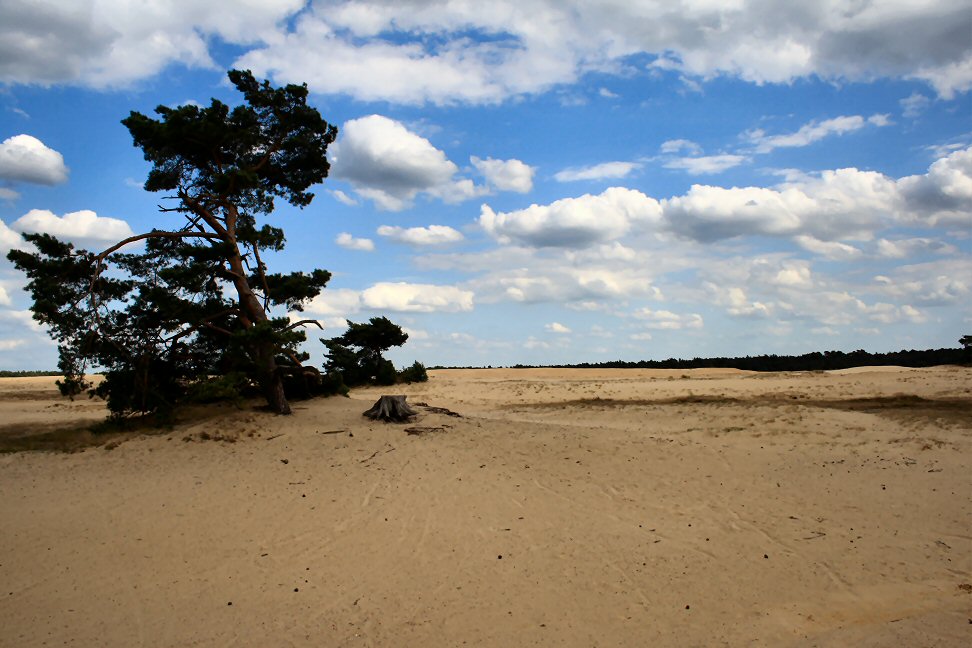
- De Hoge Veluwe park uses extra-low panels (1.1m tall) so cyclists can see over them, with beehives and berry bushes tucked between rows.
- One project near Nijmegen installed wildlife-friendly fencing so hedgehogs can pass through freely, while native wildflowers blanket the ground beneath the panels.
- A standout farm in the Betuwe orchard region dedicated 20% of its land to dense, bird-friendly hedgerows—a rarity in efficiency-focused projects.
The Transformer in the Room
One quirk made researchers chuckle: while developers obsess over panel height and color, they often ignore bulky transformers (green boxes converting solar power). In 72% of parks, these stood taller than panels, glowing conspicuously like “metal tourists photobombing a nature scene” (as one local hiker grumbled). It’s a reminder that sustainability requires holistic thinking.
Why This Matters Beyond Windmills
The Dutch experiment offers universal lessons:
- Trade-offs are inevitable: High-density panels save land but kill under-panel ecosystems. Policy must protect existing habitats.
- Maintenance matters: Insect hotels crumble, saplings die, ponds silt up. Long-term care is non-negotiable.
- Perception is key: Screening panels with mounds or trees (done in 76% of parks) eases public discomfort—proving technical and social fixes must combine.
As solar sprawl accelerates globally, this research hands planners a playbook. “The best solar parks,” notes lead author Florian Becker, “aren’t just power generators. They’re careful negotiations between watts, wildlife, and wonder.” After all, the greenest energy is the kind that people and landscapes can truly live with.
Source
How does solar energy transform landscapes? A comparative spatial analysis of 46 built solar power plants in the Netherlands Renewable Energy (Nov 2025), 2025-06-02
 Boˆreal