
The global shift towards sustainable materials has catalysed significant interest in biopolymer-based packaging. A recent review from Adama Science and Technology University [8.5°N, 28.5°E] explores current research on the extraction, preparation, and functional enhancement of mucilage-based films to being viable alternatives to conventional petroleum-based plastics. This article explores the key findings, challenges, and future directions highlighted in the study, underscoring the potential of mucilage in advancing eco-friendly food packaging solutions.
Introduction to Mucilage: A Versatile Biopolymer
Mucilage, a hydrophilic polysaccharide extracted from plant seeds, leaves, fruits, or roots, exhibits unique functional properties such as high water absorption, gel-forming capacity, and chemical modification flexibility.
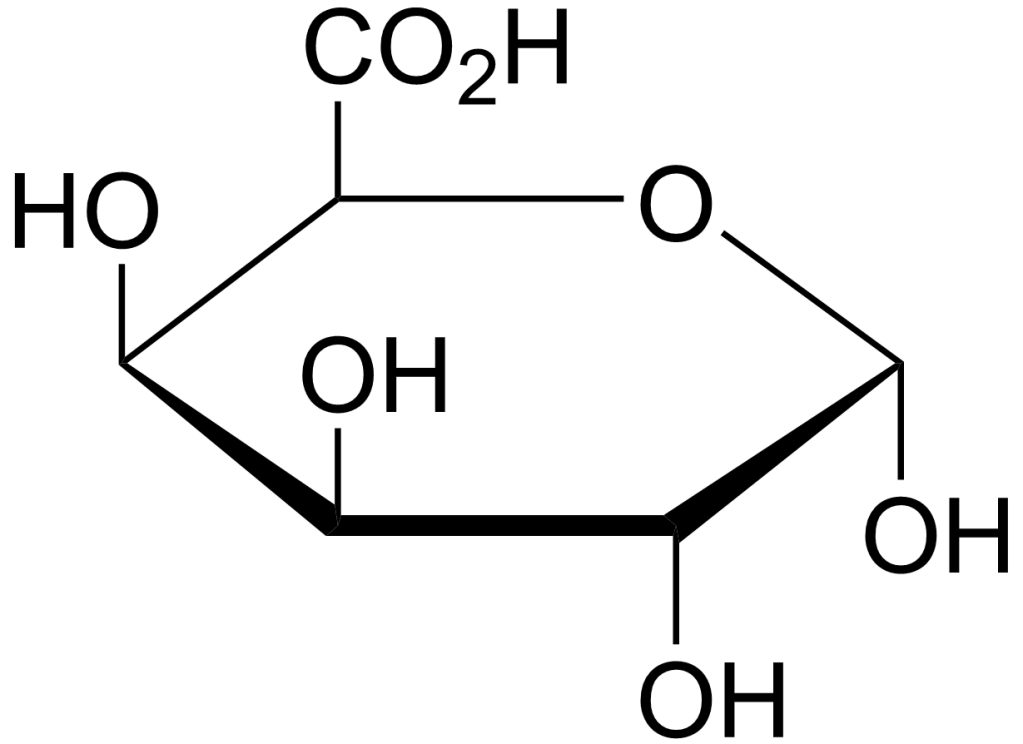
Its composition varies across species. E.g. flaxseed mucilage contains galacturonic acid (right) and rhamnogalacturonans — a complex carbohydrate found in plant cell walls — while okra mucilage is rich in rhamnogalacturonan-I (below). These natural polymers are renewable, biodegradable, and non-toxic, making them ideal candidates for edible films.

However, inherent limitations like moisture sensitivity and inferior mechanical strength compared to synthetic plastics necessitate strategic modifications to enhance their applicability.
Extraction Techniques: Balancing Efficiency and Sustainability
The review details four primary extraction methods:
- Solvent Extraction: Traditional and widely used, this method employs hot water and ethanol precipitation. While cost-effective, it is time-consuming and environmentally taxing due to solvent use.
- Ultrasound-Assisted Extraction (UAE): Ultrasonic waves improve yield and reduce extraction time. For instance, UAE increased Plantago major seed mucilage yield by 13.1% at 90% power while lowering anti-nutritional components.
- Microwave-Assisted Extraction (MAE): Rapid heating via microwaves enhances efficiency, achieving an 84.92% yield increase for Trichosanthes dioica mucilage. However, energy loss during water heating remains a drawback.
- Enzyme-Assisted Extraction (EAE): Enzymes like cellulase and xylanase hydrolyse plant cell walls, boosting yields (e.g., 30% for citrus seed mucilage) while maintaining structural integrity.
Each method presents trade-offs between yield, purity, and environmental impact, with UAE and EAE emerging as greener alternatives.
Film Preparation: From Lab to Industry
Two dominant techniques for film fabrication are discussed:
- Solvent Casting: A low-cost, lab-scale method involving mucilage dissolution, moulding, and drying. Films incorporating additives like ZnO nanoparticles or curcumin demonstrate enhanced tensile strength (up to 10.5 MPa) and antimicrobial activity. However, scalability and mechanical stability issues persist.
- Extrusion: Suitable for industrial production, this method homogenises polymers under heat and pressure. While it offers better control over mechanical properties, high equipment costs and thermal sensitivity of some biopolymers limit its adoption.
Functional Enhancements: Addressing Limitations
Mechanical and Barrier Properties
Plasticisers like glycerol improve flexibility but often reduce tensile strength. For example, chia mucilage films with 75% glycerol exhibited a 46% elongation at break but a 47% drop in tensile strength. Conversely, reinforcing agents such as cellulose nanofibres (CNF) or nanoclay enhance durability—tomato seed mucilage films with 10% CNF showed a 320% increase in tensile strength. Barrier properties, critical for food preservation, are bolstered by hydrophobic additives. Oregano essential oil reduced water vapour permeability (WVP) by 15% in basil seed gum films, while nanoclay lowered oxygen permeability by 56% in quince seed mucilage composites.
Antimicrobial and Antioxidant Efficacy
Active packaging films incorporating plant extracts or nanoparticles exhibit promising antimicrobial effects. Curcumin-loaded Lallemantia iberica films inhibited Staphylococcus aureus with a 20 mm zone of inhibition, while chia-gelatin-chitosan films reduced E. coli growth by 12.33 mm. Antioxidant activity, vital for lipid-rich foods, was enhanced by phenolic compounds in essential oils—oregano oil increased DPPH radical scavenging by 37% in basil seed films.
Biodegradation and Environmental Impact
Soil burial tests confirmed rapid biodegradation, with chia-starch films disintegrating within 15 days. Crosslinking agents like urea, however, delayed degradation by creating stable structures resistant to microbial action.
Applications and Economic Viability
Mucilage-based films have been successfully applied to extend the shelf life of fruits, meats, and seafood. For instance, fenugreek seed mucilage films preserved apples for 30 days, while Opuntia ficus-indica films integrated with beetroot extract monitored fish freshness via colour changes. Economically, mucilage’s low extraction costs and agricultural waste utilisation align with circular economy principles, though scaling production remains a hurdle.
Challenges and Future Directions
Despite progress, several challenges persist:
- Moisture Sensitivity: Hydrophilic nature limits use in high-humidity environments.
- Scalability: Inconsistent mucilage yields due to seasonal variations affect industrial adoption.
- Regulatory Hurdles: Approval from bodies like the FDA or EFSA is pending for many formulations.
Future research should focus on:
- Composite Films: Blending mucilage with other biopolymers (e.g., chitosan, alginate) to synergise properties.
- Nanotechnology: Leveraging nanomaterials to enhance barrier and mechanical performance.
- Multifunctional Applications: Exploring uses in pharmaceuticals and agriculture beyond packaging.
The way forwards
Mucilage-based films represent a paradigm shift in sustainable packaging, offering biodegradability, functionality, and cost-effectiveness. Strategic modifications via additives and advanced extraction techniques have addressed initial limitations, though industrial scalability and regulatory compliance require further innovation. As consumer demand for eco-friendly solutions grows, mucilage stands poised to play a pivotal role in reducing reliance on synthetic plastics, fostering a greener future for global food systems.
Source
Trends on functional properties improvement of emerging mucilage-based films for
food packaging application -A review, Hybrid Advances, 2025-03-21
 Boˆreal