
A recent study from the University of Groningen [53.2°N, 6.6°E] has uncovered a major breakthrough in the production of polyhydroxyalkanoates (PHAs) — a type of biodegradable plastic made by bacteria. Unlike conventional plastics, which are derived from fossil fuels and persist in the environment for centuries, PHAs can break down naturally and even serve as food for microbes in soil and water.
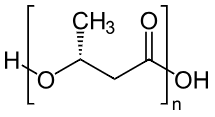
But there’s been a catch. Producing PHAs at an industrial scale has been too expensive because it typically requires pure sugars as feedstocks. This study, however, has identified a low-cost, renewable alternative — using xylan, a complex carbohydrate found in agricultural and forestry waste, to feed bacteria that naturally produce PHA.
This could be a game-changer for the future of biodegradable plastics, slashing production costs while making better use of the waste materials we already generate.
What’s the Problem with Bioplastics?
The world produces hundreds of millions of tonnes of plastic waste each year, and while recycling helps, much of it still ends up in landfills and oceans. Bioplastics like PHA offer a sustainable alternative, but they’ve remained niche because:
- Production is expensive → PHAs are typically made using high-purity sugar sources, which compete with food production.
- Feedstocks need extra processing → Most agricultural waste must be broken down into simple sugars before bacteria can use it to make plastic, adding costs and complexity.
To truly compete with conventional plastics, we need a cheaper way to produce PHAs using waste materials without costly processing steps. That’s exactly what this study set out to solve.
A New Bacterial Workhorse for Bioplastics
The researchers found that a bacterium called Caldimonas thermodepolymerans can directly convert xylan into PHA—something few microbes can do efficiently.
They tested two types of xylan:
✔ Beechwood xylan (from forestry waste) → Produced 16% PHA by weight.
✔ Wheat arabinoxylan (from crop waste) → Performed even better, producing 30% PHA by weight.
This means that instead of relying on expensive sugar feedstocks, biodegradable plastic could be made from cheap, abundant plant waste—a crucial step towards making PHA truly competitive with petroleum-based plastics.
Why This Discovery Matters
This breakthrough could have huge implications for the future of plastics:
- A cheaper, scalable way to produce bioplastics → Using xylan could make PHAs cost-effective for mass production.
- Turning waste into valuable materials → Forestry and agricultural byproducts would become a key resource instead of being discarded.
- A true circular economy → PHA plastics not only degrade naturally but could be made from 100% renewable sources, reducing our reliance on fossil fuels.
With plastic pollution becoming an urgent global crisis, this discovery offers a promising pathway to a world where plastics don’t pollute — but instead return harmlessly to nature.
Source
Polyhydroxyalkanoate (PHA) Production by Thermophilic Caldimonas thermodepolymerans from Xylan, RSC Sustainability, RSC Sustainability, 2025-02-26
 Boˆreal