
A recent study from the University of Newcastle in Australia [32.9°S, 151.7°E] has found a way to make organic flexible solar panels far cheaper with other forms of renewable energy — an extremely exciting barrier-breaker for solar panels.
What Are Organic Solar Panels?
Unlike traditional solar panels made from rigid silicon, organic photovoltaic (OPV) panels use lightweight, flexible plastics to turn sunlight into electricity. They can be printed onto thin sheets, making them cheaper and easier to install on a wide range of surfaces.
However, OPV panels have long been held back by one problem: the materials needed to make them were too expensive. This research shows that by tweaking how these materials are made, the cost could be slashed without sacrificing performance.
Cracking the Cost Code
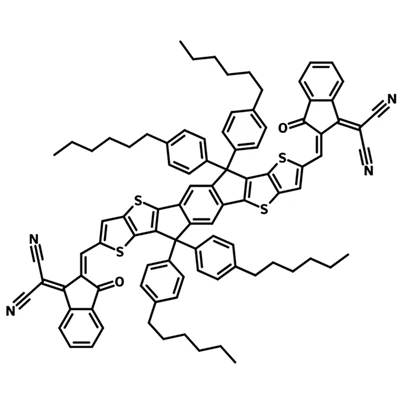
The study focused on one of the most expensive components in OPV panels — the non-fullerene acceptor (NFA) called ITIC. This molecule helps turn sunlight into electricity, but it’s notoriously expensive to produce in the lab.
By experimenting with new manufacturing methods, the researchers cut the production cost of ITIC from over €300 (£250) to just €55 (£45.50) per gram.
Even better, when produced on a large scale, the cost could fall to €1 per gram — making OPV panels cheaper than conventional solar panels.
Efficiency not needed for Effective Power
What’s remarkable is that the study shows OPV panels don’t need to be the most powerful or the longest-lasting to transform the energy market.
Even with a modest efficiency of 3–5% and a lifetime of 3–5 years, OPV panels could produce electricity at a price competitive with fossil fuels — €0.075-0.12 (6-10p) per kilowatt-hour. This would put them on par with wind farms and rooftop solar systems.
A Flexible Future
These findings open the door to a whole new generation of solar power:
- Solar wallpaper that wraps around buildings.
- Roll-up solar chargers for outdoor adventures.
- Self-powered greenhouses for urban farming.
Lightweight, flexible, and now affordable — organic solar panels could help solar energy flow into the cracks of everyday life, bringing clean power to places where traditional solar panels simply can’t go.
Source
Determining the Cost of Organic Photovoltaic Material and Its Impact on the Levelized Cost of Electricity, Journal of Electronic Materials, Journal of Electronic Materials, 2025-02-05
 Boˆreal