
A recent study from Politecnico di Milano [45.5°N, 9.2°E] explores how supply chain boundaries affect the carbon footprint of green hydrogen production. By assessing the impact of renewable electricity sources — particularly wind and solar — the research highlights the importance of updating supply chain models to reflect real-world conditions. While the study considers both Italy and the UK, the findings are particularly relevant for Northern nations’ ambitious hydrogen strategy.
Why Green Hydrogen Matters
Hydrogen is emerging as a key player in the energy transition. By 2050, it is expected to account for 10% of total global energy consumption, replacing fossil fuels in heavy industry, transport, and power generation. Governments have set ambitious hydrogen targets, with a strong emphasis on green hydrogen — produced via electrolysis using renewable electricity. However, the carbon footprint of this process depends heavily on the entire supply chain behind renewable energy generation.
The Role of Wind and Solar, North of 49°
North Europe has a clear advantage when it comes to wind power. With a large offshore wind capacities (~15 GW), wind-generated hydrogen has the potential to be among the cleanest forms of hydrogen available. The study found that using offshore wind could lower hydrogen’s carbon footprint to just 0.6 kg CO₂ per kg of H₂, a 24% reduction compared to previous estimates.
For solar, however, the picture is more complex. The solar potential in the North is significantly lower than that of Italy, meaning that:
- Less electricity is generated per installed panel, making the production of green hydrogen more carbon-intensive.
- Many countries imports most of its solar panels from China, where manufacturing relies heavily on coal power, increasing the overall carbon footprint of PV-generated hydrogen.
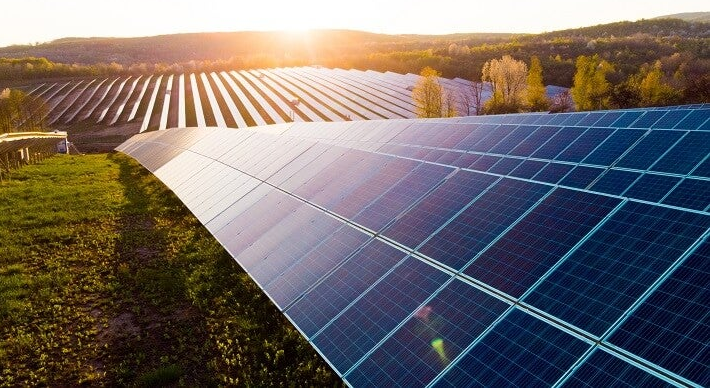
Updating supply chain models with real-world data rather than outdated estimates showed that hydrogen using solar power still has a footprint of 2.7 kg CO₂ per kg of H₂ — more than four times higher than wind-based hydrogen.
Key Takeaways for the North
- Offshore Wind is the Best Route to Green Hydrogen
- The shallow North Sea and strong wind resources make wind-based hydrogen a clear leader in reducing emissions.
- Investing in offshore wind farms will not only power homes and businesses but also provide clean hydrogen for transport and industry.
- Solar Hydrogen is Less Competitive — For Now
- The high carbon footprint of solar-derived hydrogen is not just about North Europe’s climate, but also about where the panels are made.
- If manufacturing shifts to low-carbon production hubs, the impact could decrease significantly.
- Supply Chains Matter More Than Expected
- Many previous estimates underestimated the emissions from outdated electricity supply models.
- A realistic assessment of emissions is crucial for shaping effective policy.
The Path Forward
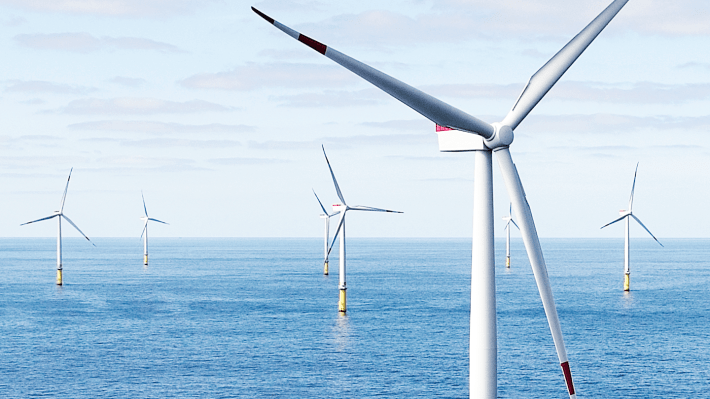
While North Europe and Canada are well-positioned to lead in offshore wind-powered hydrogen, with a lower carbon footprint than many European nations, as the study shows, not all green hydrogen is created equal, and the sustainability of hydrogen production hinges on the details of electricity supply chains.
By ensuring that future hydrogen strategies prioritise offshore wind and address the embedded emissions in solar panel imports, we can make its hydrogen economy as clean as possible; proving that a truly sustainable transition is within reach.
Source
How the Boundaries of the Supply Chain Affect Climate Profile: The Case of Renewable Electricity and Green Hydrogen for Italy and the UK, International Journal of Hydrogen Energy, 2025-03-06
 Boˆreal
[…] February 12, 2025February 6, 2025 lucreciabernues Reducing the Carbon Footprint of Green Hydrogen […]
LikeLike