
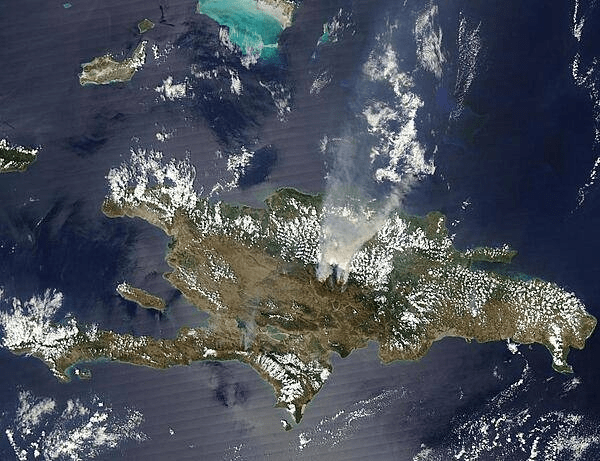
A recent study from the Dominican Republic [18.5°N, 70.5°W] sheds light on how to optimise photovoltaic (PV) systems for self-consumption without surpluses, making solar energy more accessible and cost-effective for households. This new approach offers exciting opportunities to increase energy independence while reducing carbon emissions, especially for regions with strong solar potential like the Dominican Republic.
The Problem: Wasted Solar Energy
Traditionally, households with solar panels that generate excess energy feed that surplus back into the national grid, often receiving compensation. This method, known as self-consumption with surpluses, has become widespread. However, new regulations in many countries are restricting how much excess energy can be exported back to the grid, creating barriers for wider adoption of solar power. This has led to increased interest in self-consumption without surpluses, where all the energy generated by the solar panels is used within the household, with no energy being fed back into the grid.
The challenge here lies in optimising the size of PV systems so that they generate enough electricity to meet household needs without overproducing. Overproduction would lead to wasted energy, as there’s no mechanism to store or send it back to the grid in this model.
The Solution: On-Site Measurements and Customised Sizing
The research team in the Dominican Republic developed a techno-economic model to accurately size PV systems for self-consumption without surpluses. Their method combines geographic information systems (GIS) and on-site measurements using tools like irradiance meters and electrical network analyzers, ensuring that the solar panels are sized based on real-world data, rather than theoretical estimates.
By customising the size of PV systems to match the exact energy demand of a household, the researchers found that self-consumption without surpluses is not only viable but also profitable. In their case study, a household with an average demand of 394 kWh per month achieved a payback time of just 4.57 years and an internal rate of return (IRR) of 23.4%. This approach avoids the complications and costs associated with exporting surplus energy to the grid.
Important Implications for Energy Independence and Reduced Costs
This new model of solar energy use offers several key advantages. First, it reduces reliance on the national grid, increasing household energy independence. With no need to export excess energy, households are less affected by changing regulations or compensation rates from grid operators.
Second, by eliminating the need for an anti-dump system (which prevents energy from being fed back into the grid), the upfront costs of installing solar panels are lower. This makes solar power more accessible to a broader range of consumers, including those with lower energy demands.
Finally, this method significantly improves the self-sufficiency rate (the percentage of energy a household generates for its own use). In the case study, households achieved a self-sufficiency rate of 5.0%, which can be further improved with better panel placement and system efficiency.
Practical Implications for the Dominican Republic and Beyond
While the study focused on the Dominican Republic, the findings are relevant to any region with abundant solar resources and growing interest in decentralised energy systems. For countries facing restrictions on energy exports or with high grid dependency, optimising solar systems for self-consumption without surpluses offers a sustainable and financially attractive alternative.
The methodology developed in this study provides a clear roadmap for how to size and install solar panels in a way that maximises benefits for households while contributing to the decarbonisation of the energy system. As solar technology becomes more affordable and efficient, this approach could pave the way for a greener, more resilient energy future—one where households take charge of their own energy needs while reducing their carbon footprint.
By fine-tuning solar systems to meet specific household demands, this innovation offers a practical, scalable solution to expanding solar power use in residential sectors worldwide.
Source
Sizing of photovoltaic systems for self-consumption without surpluses through on-site measurements: Case study of the Dominican Republic, Renewable Energy, 2024-12
 Boˆreal