
Photovoltaic (PV) technology has become one of the most reliable and scalable solutions for clean energy production. Yet, challenges remain when it comes to making solar energy even more efficient, especially in densely populated urban areas where aesthetics and functionality must go hand in hand.
A study from Poland has taken an innovative approach to solving some of these challenges, demonstrating how textured glass can improve the efficiency and visual appeal of Building Integrated Photovoltaics (BIPV), making solar panels not only more effective but also more suitable for urban environments.
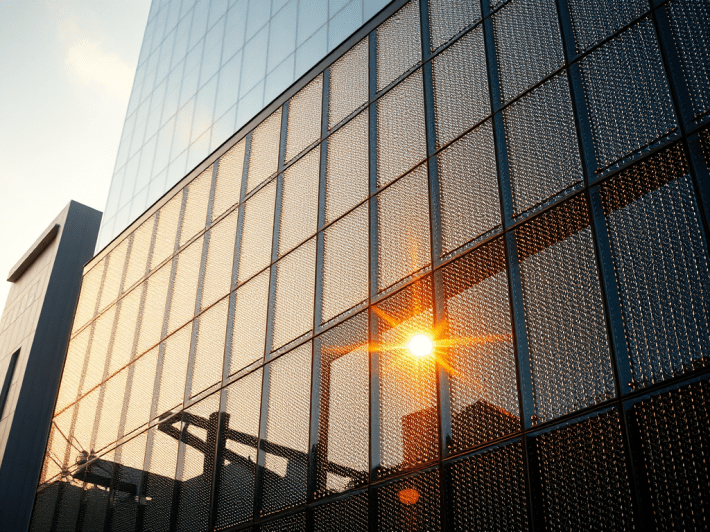
The Breakthrough Application: Textured Glass for Solar Panels
The research focuses on integrating textured glass as the front material in PV systems used in architectural applications, such as facades and windows. Traditionally, the glass used in PV modules has high light reflectance, which means that some of the sunlight that could be converted into electricity is instead reflected away. This study shows that textured glass, with its irregular surface, can significantly reduce light reflections by up to 88% while only slightly reducing the electrical power output of the PV system—around a modest 3-4%.
What makes this breakthrough particularly exciting is the potential to use textured glass in urban areas. By reducing glare and reflections, the panels can be used on buildings in cities without creating hazardous light pollution that might interfere with drivers or pedestrians. The aesthetic appeal is also a game-changer. With architectural designs placing greater emphasis on sustainability and integration with natural environments, textured glass offers a solution that combines visual elegance with energy efficiency.
Important Implications for Urban Sustainability with Enhanced Efficiency
The research illustrates how textured glass can direct light more effectively toward PV cells, even in low sunlight conditions, such as early mornings, late afternoons, and during winter. This makes solar energy systems more efficient throughout the day, regardless of weather or seasonal shifts. Additionally, the textured surface scatters light, ensuring that more light is absorbed by the solar cells, ultimately increasing their energy output.
The practical benefits extend beyond energy generation. Textured glass has also been shown to be less likely to attract dust and dirt compared to flat surfaces, reducing the need for frequent cleaning and maintenance. This is particularly advantageous for installations in cities, where pollution and grime can accumulate on solar panels and reduce their efficiency over time.
Pushing the Boundaries of Building Integrated Photovoltaics (BIPV)
BIPV systems, where PV modules are incorporated into the structure of buildings, offer an opportunity to make urban spaces more sustainable. By using textured glass, architects and engineers can design structures that generate clean energy while maintaining the aesthetic appeal of modern buildings. The textured glass technology explored in this study is not only commercially viable—using readily available materials—but also well-suited to meet the growing demand for solar installations in cities.
This breakthrough could also extend the lifespan of solar panels. By reducing the amount of UV and infrared (IR) radiation that passes through the glass, the textured surfaces can lower the operating temperature of the PV modules. This reduces thermal stress and minimises the degradation of materials, effectively increasing the longevity of solar systems, which typically last around 25-30 years.
A Clearer View of a Clean Energy Future
As cities continue to search for ways to become more sustainable, technologies like textured glass PV modules will play a crucial role in transforming urban landscapes. By enhancing the efficiency of solar power generation while reducing maintenance and visual impact, this innovation helps make solar energy a more attractive and practical solution for buildings worldwide.
In the grander scheme of decarbonisation, these findings underline how even small technological adjustments—like changing the texture of glass—can contribute to the larger goal of reducing our reliance on fossil fuels. As textured glass becomes more widely adopted, urban areas can become hubs of clean, renewable energy, furthering the transition to a greener future.
Source
Texturized glass in the application of architectural photovoltaics, Cleaner Engineering and Technology, 2024-10
 Boˆreal