
In a world facing escalating food insecurity and climate challenges, innovative solutions are vital. A new study from the University of Tübingen [48.5°N, 9.1°E] highlights a groundbreaking Power-to-Vitamin approach that uses carbon dioxide (CO₂) and renewable electricity to produce vitamin-enriched protein. This technology could redefine sustainable nutrition, providing essential vitamins without the need for traditional agriculture.
How It Works: Powering Microbial Growth
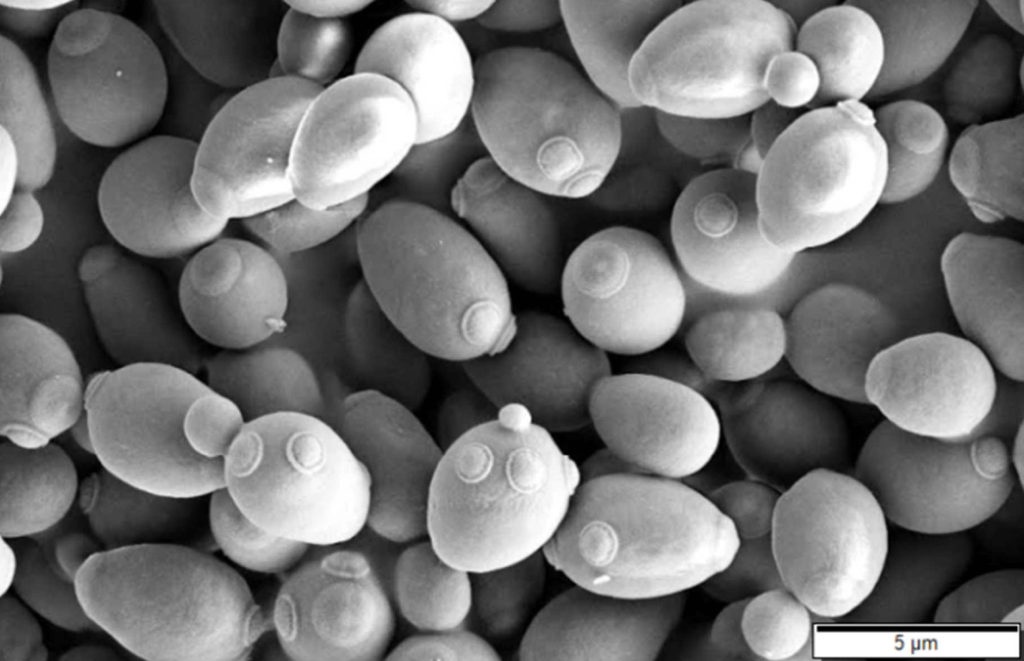
The Power-to-Vitamin system operates in two stages. First, a bacterium, Thermoanaerobacter kivui, converts CO₂ and hydrogen into acetate. Then, this acetate feeds Saccharomyces cerevisiae, a yeast (shown right), where it produces both protein and folate (Vitamin B9). This approach bypasses the need for crops, enabling zero or even negative carbon emissions by recycling CO₂ as a nutrient source.
Nutritional Impact: Folate Production for Global Health

Folate, or Vitamin B9 (molecular structure above), is essential for DNA synthesis and cell growth. Many populations worldwide suffer from folate deficiencies due to limited dietary diversity. This system offers a robust solution: 6 grams of yeast biomass from the process can meet 100% of the daily folate requirement. Unlike synthetic supplements, the folate produced is naturally bioavailable, which supports better health outcomes.
Redefining Protein Production
Compared to traditional agriculture, which relies on intensive land and water use, this method harnesses renewable electricity to produce both protein and vitamins. This could relieve pressure on existing farmland and help meet the growing protein demands of a booming population. Moreover, the yeast biomass has a protein quality comparable to meat, making it a viable alternative in human diets.
Environmental and Economic Benefits
Producing food with CO₂ significantly reduces greenhouse gas emissions and land use compared to conventional farming. With Power-to-Vitamin, there’s also a reduction in agricultural waste and the carbon footprint associated with transporting food. Moving forward, scaling this technology could help meet the nutritional needs of billions, with reduced environmental impact and lower costs.
This study opens the door to a sustainable, CO₂-based food source that’s nutritious and environmentally sound, highlighting a revolutionary step in sustainable food production. As this technology advances, it could transform global nutrition, meeting essential dietary needs while supporting climate goals.
Source
Power-to-vitamins: producing folate (vitamin B9) from renewable electric power and CO₂ with a microbial protein system, Trends in Biotechnology (CellPress), 2024-09-12
 Boˆreal