
With urban populations are expected to surge by 2.5 billion people by 2050, managing the environmental impact of this growth becomes vital. Researchers have developed an innovative spatial model that offers a comprehensive approach to urbanisation, blending green and grey infrastructure to sustain ecosystem services and reduce environmental footprints. This model, applied to the Netherlands, demonstrates how integrating green spaces into urban planning can enhance sustainability and quality of life.
The Challenge of Urbanisation
Urban expansion often leads to the replacement of green infrastructure—such as trees, shrubs, and grasses—with grey infrastructure like roads and buildings. This transformation impacts local and global environments, contributing to increased greenhouse gas emissions, reduced biodiversity, and heightened vulnerability to climate-related threats such as flooding and urban heat islands. Traditionally, the environmental impacts of urbanisation have been studied in isolation, but this new research emphasises the importance of an integrated approach.
The New Model
The researchers used a detailed model that evaluates how natural effects, such as cooling, stormwater retention, and green infrastructure availability, are changed by building construction, including material demand and greenhouse gas emissions.

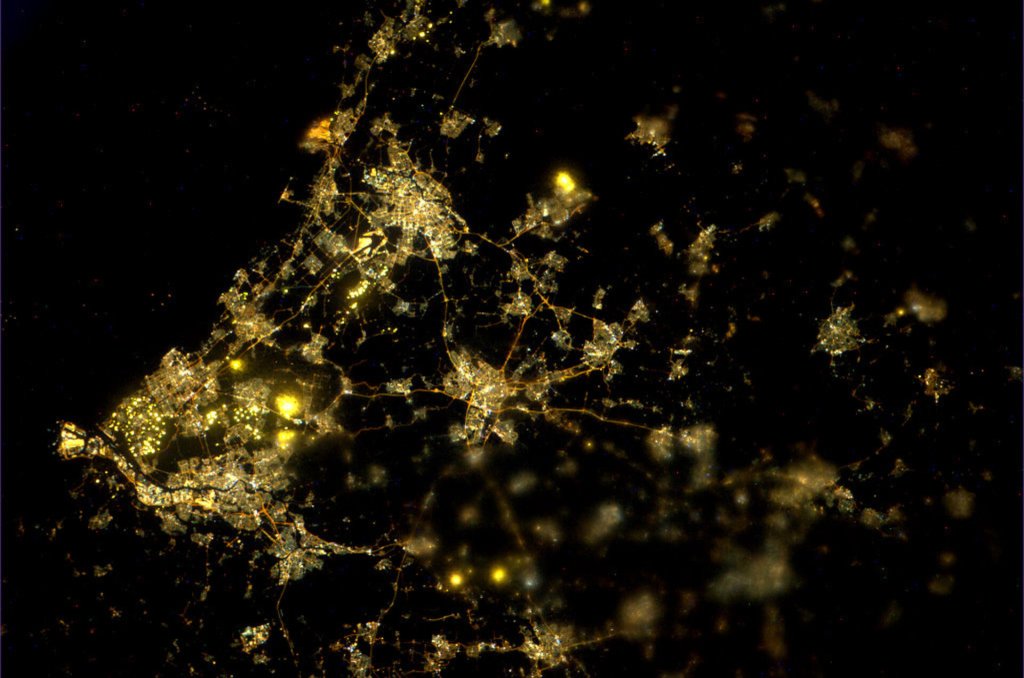
The model was applied to the Netherlands from 2018 to 2050, examining two urbanisation strategies: dense construction within existing urban areas and sparse construction in low-density regions like agricultural lands.
Key Findings
- Integration of Green Infrastructure: The study found that integrating green infrastructure into urban planning could increase green areas by up to 5% and stabilise or enhance ecosystem service provisioning. Dense building construction with integrated green infrastructure generally proved more beneficial, reducing resource use and boosting ecosystem services. For new developments, sparse construction with extensive green infrastructure was more advantageous.
- Environmental Impact of Building Materials: The model assessed the demand for building materials and associated greenhouse gas emissions. Dense urbanisation strategies showed lower environmental impacts due to more efficient land use and smaller, multi-family dwellings that require fewer materials. The use of biobased construction materials, such as wood, significantly reduced greenhouse gas emissions but increased land use due to the need for timber production. Circular construction methods, which emphasise material reuse and recyclability, emerged as the most sustainable option, balancing low material demand and emissions without extensive land use.
- Ecosystem Services and Land Use: The study highlighted the importance of preserving and enhancing green infrastructure in urban areas to maintain ecosystem services. Dense urbanisation combined with substantial green infrastructure can improve air temperature regulation and stormwater retention, critical for urban resilience against climate change.
Implications for Sustainable Urban Planning
The findings from this research offer valuable insights for urban planners and policymakers aiming to foster sustainable urban development. By adopting integrated approaches that combine dense urbanisation with substantial green infrastructure, cities can mitigate the negative environmental impacts of urban growth while enhancing the quality of life for their residents. The model provides a blueprint for urban areas worldwide, emphasising the need for strategic planning to balance development with environmental sustainability.
As cities continue to expand, innovative approaches to urban planning are essential to ensure sustainable development. This new model for integrating green and grey infrastructure presents a promising solution to the challenges posed by rapid urbanisation. By prioritising sustainable building practices and enhancing green spaces, cities can create healthier, more resilient environments for future generations.
Source
Optimizing green and gray infrastructure planning for sustainable urban development, npj Urban Sustainability, 2024-08-4
 Boˆreal