
The quest for sustainable energy solutions has taken a significant leap forward with a groundbreaking study from the University of Nottingham. Researchers have developed a novel hydronic closed-loop photovoltaic (PV) cooling system tailored specifically for hot and arid regions. This innovation promises to transform the efficiency and longevity of solar panels in some of the most challenging climates on Earth.
Addressing the Heat Challenge
Photovoltaic panels are a cornerstone of renewable energy, but their efficiency plummets as temperatures rise. In hot and arid regions, temperatures can soar above 80°C, significantly reducing the power output of PV cells and accelerating their degradation.
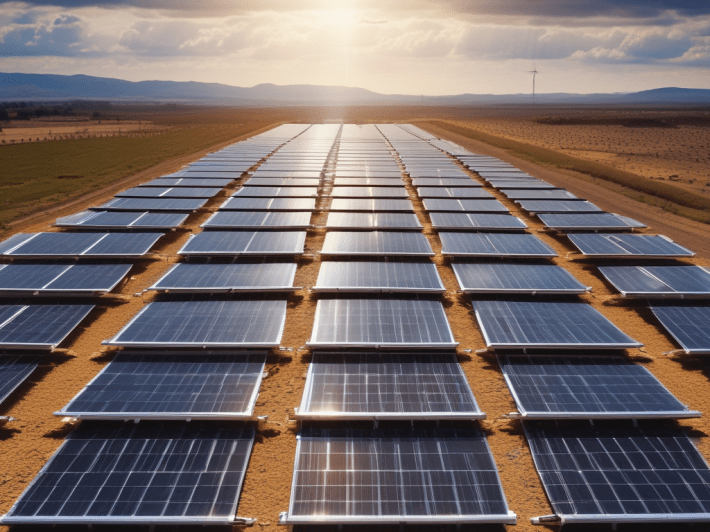
Each degree Celsius increase can lower the electrical output by approximately 0.45%. Traditional PV systems struggle under these conditions, leading to higher maintenance costs and shorter lifespans.
The Closed-Loop Cooling Breakthrough
The research team has proposed a closed-loop PV cooling system that operates continuously, day and night. Unlike conventional open-loop systems, which suffer from water loss and scaling issues, this closed-loop system recirculates water through pipes attached to the back of the PV panels. This innovative design effectively manages the temperature of the panels, reducing thermal stress and enhancing overall efficiency.
Key features of this system include:
- Daytime Cooling: Water circulates through the system, cooling the PV panels and enhancing their efficiency.
- Nighttime Heating: The system continues to circulate water at night, releasing accumulated heat to the PV panels and preventing drastic temperature drops that could damage the cells.
- Water Conservation: By using a closed-loop system, water is conserved, making it an ideal solution for arid regions where water is scarce.
Impressive Results and Implications
The study utilised a 3D transient mathematical model to analyse the system’s performance, which was validated through experimental comparisons. The results were remarkable:
- Efficiency Boost: The novel cooling system enhanced the PV panel efficiency by maintaining optimal operating temperatures.
- Extended Lifespan: The PV panels equipped with this cooling system showed a substantial increase in lifespan, up to 33% longer than conventional designs.
- Economic and Environmental Benefits: By improving efficiency and lifespan, this system reduces the need for frequent replacements and maintenance, leading to lower costs and a smaller environmental footprint.
This research offers valuable insights into the design and optimisation of PV cooling systems, paving the way for more sustainable and efficient solar energy solutions. The implications are vast, particularly for regions with extreme climates, where this technology can significantly improve energy output and reliability.
A Bright Future for Solar Energy
The development of this hydronic closed-loop PV cooling system marks a significant advancement in solar technology. By addressing the critical issue of temperature management, this innovation not only enhances the performance of PV panels but also extends their lifespan, making solar energy a more viable and cost-effective solution in hot and arid regions. As the world continues to shift towards renewable energy, such breakthroughs are essential in ensuring that solar power can meet the growing global demand sustainably and efficiently.
This study underscores the importance of tailored technological solutions in overcoming environmental challenges and highlights the potential for significant improvements in solar energy systems. The future of solar power looks brighter than ever, thanks to the ingenuity and dedication of researchers committed to creating a sustainable energy future.
Source
A hydronic closed-loop photovoltaic cooling system designed for hot and arid regions: Performance evaluation and degradation rate/ lifetime analysis, Applied Electronics, 2024-11-01
 Boˆreal