
South Korea has ambitious plans for renewable energy, particularly in offshore wind power. Despite setting a target of 17.7 GW for wind power generation through its Renewable Energy 3020 Implementation Plan, with 12 GW of that coming from offshore wind by 2030, the country faces significant challenges. This article delves into the current status and prospects of South Korea’s offshore wind power generation, highlighting the key findings from a recent study from Chonnam National University in Gwangju [35°N, 127°E].
The Promise and Challenges of Offshore Wind Power
Offshore wind power is widely recognised as an environmentally friendly and sustainable energy source. Countries like Denmark, China, Germany, and others across Europe have rapidly advanced in this field due to the high energy stability, potential, and economic benefits it offers.
South Korea, with its extensive coastal areas, has significant potential for offshore wind power. However, the country’s development in this sector has been slower than its international counterparts.
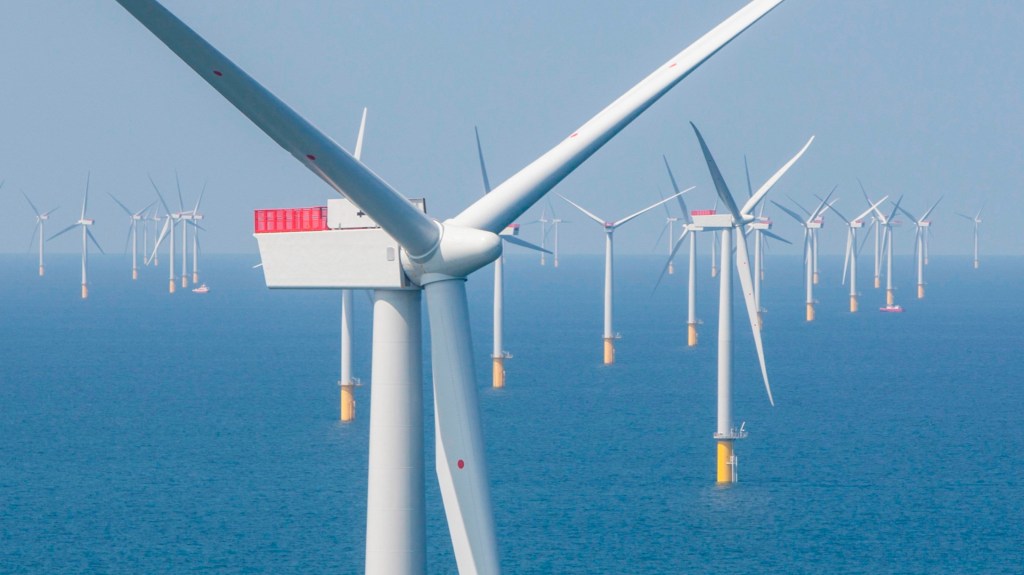
The Promise and Challenges of Offshore Wind Power
Offshore wind power is widely recognised as an environmentally friendly and sustainable energy source. Countries like Denmark, China, Germany, and others across Europe have rapidly advanced in this field due to the high energy stability, potential, and economic benefits it offers. South Korea, with its extensive coastal areas, has significant potential for offshore wind power. However, the country’s development in this sector has been slower than its international counterparts.
Several factors contribute to this sluggish progress:
- Community Acceptance: There is a notable lack of community acceptance, which is crucial for the success of offshore wind projects. Local residents often oppose these projects due to concerns about their impact on the environment and local industries such as fishing.
- Business Feasibility: Offshore wind projects in South Korea face low business feasibility due to high initial investment costs and uncertain returns. This makes it difficult for private investors to justify the risks involved.
- Complex Approval Processes: The bureaucratic hurdles in South Korea are significant. The complex and lengthy approval processes for offshore wind projects cause delays and increase costs.
- Supply Chain Issues: There is an insufficient supply chain to support the large-scale deployment of offshore wind turbines. This includes a lack of domestic manufacturing capabilities and the need for advanced technology and infrastructure.
Proposed Solutions for Advancing Offshore Wind Power
To overcome these challenges, the study proposes several solutions, drawing on successful international examples:
- Strengthening Communication: Enhancing positive communication with local communities by clearly articulating the value and benefits of offshore wind power projects can help address acceptance issues. Educating residents about the environmental and economic benefits, such as job creation and reduced greenhouse gas emissions, is crucial.
- Government Incentives: Establishing government-led incentive programmes and support measures can improve the business feasibility of offshore wind projects. This includes subsidies, tax breaks, and low-interest loans to reduce the financial burden on investors.
- Streamlining Approval Processes: Simplifying and speeding up the approval processes can mitigate delays and reduce the bureaucratic burden on project developers. Implementing a one-stop-shop for all necessary permits could be a practical solution.
- Expanding the Domestic Market: Increasing the size of the domestic market and enhancing efficient power interconnection can address supply chain deficiencies. Developing local manufacturing capabilities and investing in research and development are essential steps.
A Path Forward
The study underscores the importance of learning from international leaders in offshore wind power. By adopting best practices and tailoring them to the South Korean context, the country can accelerate its progress in this vital sector. The successful implementation of these strategies will not only help South Korea meet its renewable energy targets but also contribute significantly to global efforts to combat climate change.
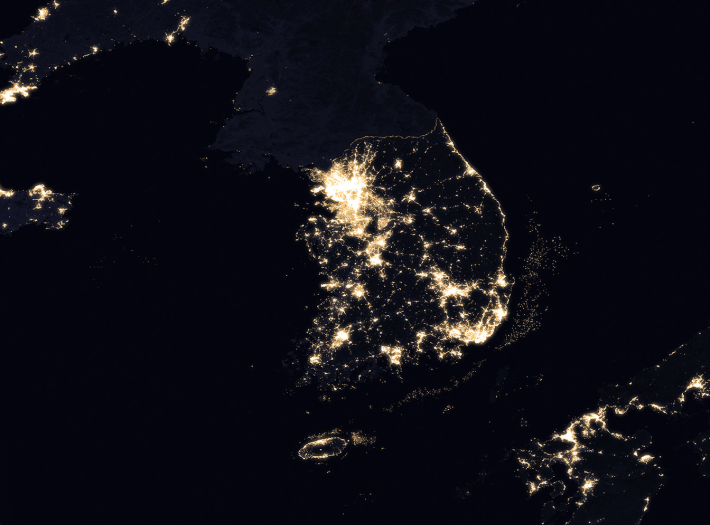
The proposed solutions offer a clear path forward to overcome challenges in developing South Korea’s offshore wind power sector. With strong government support, improved community engagement, streamlined processes, and a robust supply chain, South Korea can become a leading example of wind power success.
Source
Korean Offshore Wind Electrical Power Generation: Current Status and Prospects, Journal of the Korean Society of Environmental Engineers, 2024-07
 Boˆreal