
Biomass, derived from organic matter such as plants, agricultural residues, and wood, has great potential as a renewable energy source for generating electricity.
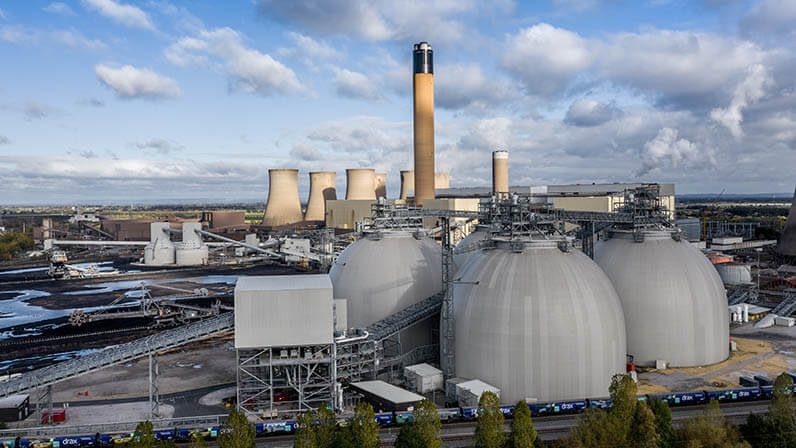
Biomass power plants use the energy stored in biomass to produce heat, which is then converted into electrical energy. This process offers a sustainable and environmentally friendly solution for meeting our power needs while reducing greenhouse gas emissions.
The first step in generating electricity from biomass involves collecting the biomass feedstock. This can include forestry residues, agricultural waste, energy crops, or even dedicated biomass plantations. These biomass materials are sourced sustainably, ensuring that their production does not compromise food security or contribute to deforestation.
This is burned to generate heat, which boils water, creating high-pressure steam.
The high-pressure steam then enters a turbine, a device with rotating blades. As the steam flows over the turbine blades, its high energy causes the turbine to spin rapidly. This rotational motion is used to drive a generator, which converts the mechanical energy into electrical energy.
The electricity generated by the generator can be used to power homes, businesses, or industries. It can be transmitted through power lines to the electrical grid, where it is distributed to consumers. Biomass power plants can produce a range of power outputs, from small-scale distributed generation systems to larger utility-scale facilities that contribute to the overall electricity supply.
One of the significant advantages of biomass-generated electricity is its carbon neutrality. While burning biomass releases carbon dioxide (CO2) into the atmosphere, the carbon emitted is part of the natural carbon cycle. During the growth of biomass feedstock, plants absorb CO2 through photosynthesis, effectively offsetting the carbon emissions from combustion. This makes biomass power a carbon-neutral or even carbon-negative energy option, particularly when using sustainably sourced biomass.
Biomass power generation offers additional environmental benefits. By making use of organic waste materials, it helps reduce landfill waste and subsequent methane emissions. (Methane is a far more potent greenhouse gas than CO2.)
Furthermore, biomass energy has the potential to provide a stable and reliable power supply, particularly in rural areas where access to electricity is limited. Biomass resources are often locally available, reducing the need for long-distance energy transmission.
In addition to electricity production, biomass power plants often incorporate combined heat and power (CHP) systems. CHP maximises energy efficiency by capturing and utilising the excess heat generated during the combustion process for heating purposes. This makes biomass power plants highly efficient, as they can simultaneously produce electricity and useful heat, further reducing reliance on fossil fuels for heating requirements.
Now Read
 Boˆreal