
Biomass energy offers a sustainable and versatile solution for meeting our energy needs while reducing greenhouse gas emissions and dependence on fossil fuels. Derived from organic matter such as plants, agricultural residues, and wood, biomass energy uses the energy stored in these renewable resources to generate power, heat, and even transportation fuels.
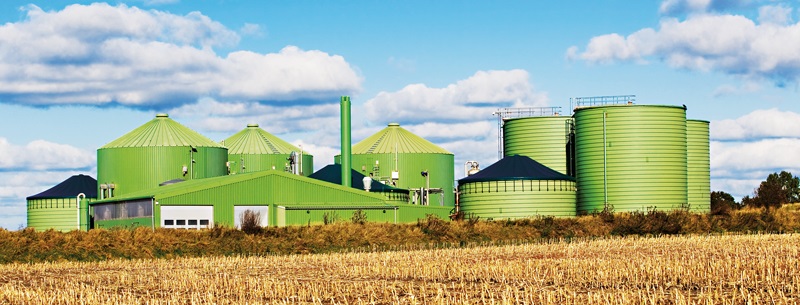
The process of converting biomass into energy involves various techniques, including combustion, gasification, and anaerobic digestion. In combustion, biomass is burned directly, releasing heat that can be used for heating buildings or for producing steam to generate electricity. Gasification converts biomass into a synthetic gas (syngas), which can be used for heat, electricity, or biofuels production. Anaerobic digestion involves the decomposition of organic waste, such as crop residues or animal manure, in the absence of oxygen, producing biogas that can be used for heat, electricity, or transportation.
One of the significant advantages of biomass energy is its ability to utilize waste materials that would otherwise contribute to environmental pollution. Agricultural residues, forest residues, and even dedicated energy crops can be used as feedstock for biomass energy production. By converting these waste materials into energy, biomass power plants help reduce landfill waste and methane emissions while generating clean electricity.
Biomass energy is also considered a carbon-neutral energy source. While burning biomass releases carbon dioxide (CO2), the carbon emitted is part of the natural carbon cycle. As new plants grow, they absorb CO2 through photosynthesis, effectively offsetting the carbon emissions from biomass combustion. However, it is important to ensure sustainable biomass practices, such as reforestation and proper land management, to maintain the balance of carbon absorption and emission.
With its versatility, sustainability, and ability to convert waste into valuable energy, biomass holds great promise in the transition to a cleaner and more sustainable energy future. Continued research and advancements in biomass technologies are further enhancing its efficiency and expanding its potential applications.
N.B. Biofuels are liquid or gaseous fuels derived from biomass.
Now Read
 Boˆreal